
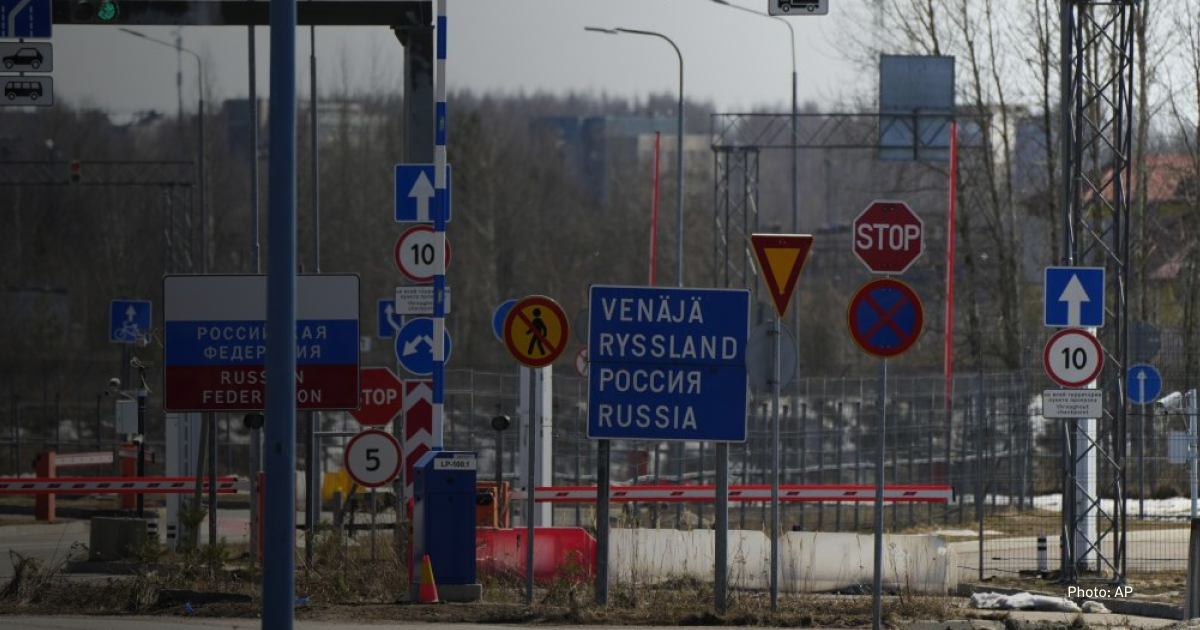
Norway occupies a unique position in European travel. Though not an EU member, it participates fully in the Schengen area, meaning travelers moving between Norway and other Schengen countries typically encounter fewer border formalities than those crossing into the bloc from outside. However, recent policy shifts—particularly Norway’s approach to vehicle restrictions and its alignment with broader European security frameworks—have implications for how visa-free travelers should prepare for Nordic journeys.
Understanding Norway’s Role in Schengen Travel
Norway’s participation in the Schengen area means that once you’ve cleared an external Schengen border with valid travel documentation, you can move freely between Norway and other Schengen member states without additional passport checks. This seamless movement is one of the defining features of modern European travel. However, Norway maintains its own entry requirements and security protocols that complement the broader ETIAS system and the Entry/Exit System (EES) now deployed across Schengen borders.
When planning travel to Norway as a visa-free visitor, your ETIAS authorization becomes the primary screening mechanism before you enter the Schengen zone. Once approved and stamped into Europe, your movements through Norway follow the same borderless logic as travel through Austria, France, or any other Schengen participant. The distinction matters because Norway, while Schengen-aligned, sometimes implements domestic measures that reflect its particular security or trade concerns.
Vehicle Travel and New Restrictions
Recent policy announcements from Norwegian authorities have focused on vehicle-based entry restrictions, particularly regarding non-Nordic registered vehicles. While these measures are primarily directed at commercial traffic and vehicles from specific jurisdictions, they underline an important principle: Norway is increasingly selective about what crosses its borders, even within the Schengen framework.
For most international travelers arriving by air or train, these vehicle-focused restrictions have minimal direct impact. Your ETIAS authorization, valid passport, and clean entry documentation remain the standard requirements. However, if you’re driving a rental car (registered outside Norway) or traveling overland through multiple Schengen countries, it’s worth confirming that your vehicle documentation is in order. EU rental agreements typically cover cross-border movement within the Schengen zone, but Norwegian border authorities may conduct additional checks on vehicle insurance, emissions compliance, or technical roadworthiness.
The broader message behind Norway’s selective approach to border entry is that European travel is becoming more digitized and data-driven. Your ETIAS record, your vehicle registration, your travel history—all of this feeds into a more comprehensive security picture that border authorities across the Schengen zone are assembling in real time.
How ETIAS Screening Aligns with Schengen Security
The ETIAS system itself represents a fundamental shift in how the Schengen area manages visa-free travel. Rather than conducting screening only at the border, ETIAS shifts the security assessment to before you arrive. When you apply for ETIAS, European authorities cross-check your information against multiple databases: Interpol records, migration databases, security watchlists, and information shared between member states.
This pre-arrival screening means that by the time you reach a Norwegian airport or land crossing, authorities already have confidence in your eligibility. In theory, this should accelerate your entry and reduce delays. In practice, however, the integration of ETIAS data with local border systems is still maturing, and some travelers report longer initial processing times as systems learn to communicate seamlessly.
Norway’s decision-making on vehicle restrictions reflects the same underlying principle: move security decisions upstream, away from the moment of crossing. Border authorities increasingly want to know who and what is coming before arrival, whether that’s a person with an ETIAS authorization or a vehicle with specific technical or regulatory standing.
Digital Documentation and Your Responsibilities
For travelers heading to Norway as part of a broader Schengen trip, keeping digital copies of your ETIAS approval is essential. While ETIAS is not a physical document—it exists only in the EU’s digital systems—having a screenshot or confirmation email demonstrating your approval can smooth interactions with border staff, particularly if systems experience temporary slowdowns.
Your passport remains your primary travel document, and it must be valid for the duration of your stay. If you’re driving, ensure your international driving permit (if required by your home country), vehicle insurance documentation, and rental agreement are easily accessible. Norwegian police conduct roadside checks, and having everything in order prevents unnecessary delays or complications.
One often-overlooked aspect of ETIAS is that it’s tied to a specific passport. If you renew your passport before your planned trip, you’ll need to update your ETIAS record or apply anew. This administrative detail catches travelers off guard surprisingly often, so check the validity of both documents before departure.
What You Actually Need to Know Before Traveling to Norway
The essence of traveling to Norway with ETIAS is straightforward: your pre-approved digital authorization, combined with your valid passport and any vehicle documentation, should be sufficient for entry. Border staff in Norway are accustomed to Schengen traffic and generally process travelers efficiently, particularly those arriving by air.
Where confusion sometimes arises is around expectations. ETIAS is not a visa—you don’t receive a stamp or a sticker in your passport. It’s an invisible authorization that sits in a database. Some travelers expect a more tangible proof of approval, but that’s not how the system works. Trust that if your application was approved, you’re clear to travel.
For longer stays or purposes beyond tourism—such as work, study, or residence—ETIAS alone is insufficient. Those intentions require separate visa applications or immigration pathways, handled through Norwegian authorities rather than the ETIAS system. If you’re planning to work in Norway, even temporarily, clarify your visa status well before departure.
Travel timing also matters. While ETIAS applications can be approved within minutes, some applications trigger manual review and may take days or even weeks. Don’t apply days before your flight. Apply weeks in advance to ensure you have your authorization well before travel. The €20 fee is non-refundable, so accuracy in your application is important.
Looking ahead, travelers should expect continued evolution in how Norway and other Schengen states integrate digital border management. The combination of ETIAS, EES, and vehicle-based restrictions paints a picture of increasingly sophisticated, data-driven border control. This benefits prepared travelers and can complicate journeys for those who overlook administrative details. Understanding the framework—and the fact that visa-free travel to Norway still requires authorization, just a digital one—is the foundation of smooth European travel.
For the most current information on ETIAS requirements, vehicle regulations, and Norwegian border policies, consult the official EU ETIAS portal and the Norwegian government’s border and immigration authority websites. Travel regulations continue to evolve, and official channels will always reflect the latest requirements.
Travelers weighing this alongside ETIAS and EU Border Tightening may also want to read ETIAS and EU Border Tightening: What Stricter Entry Rules Mean for Your Travel.
This article was last updated July 09, 2026. For the most precise and up-to-date guidance on ETIAS eligibility, documentation requirements, and Norwegian entry rules, always verify current conditions directly through official EU and Norwegian government sources before booking travel or beginning your application process.
Leave a Reply