
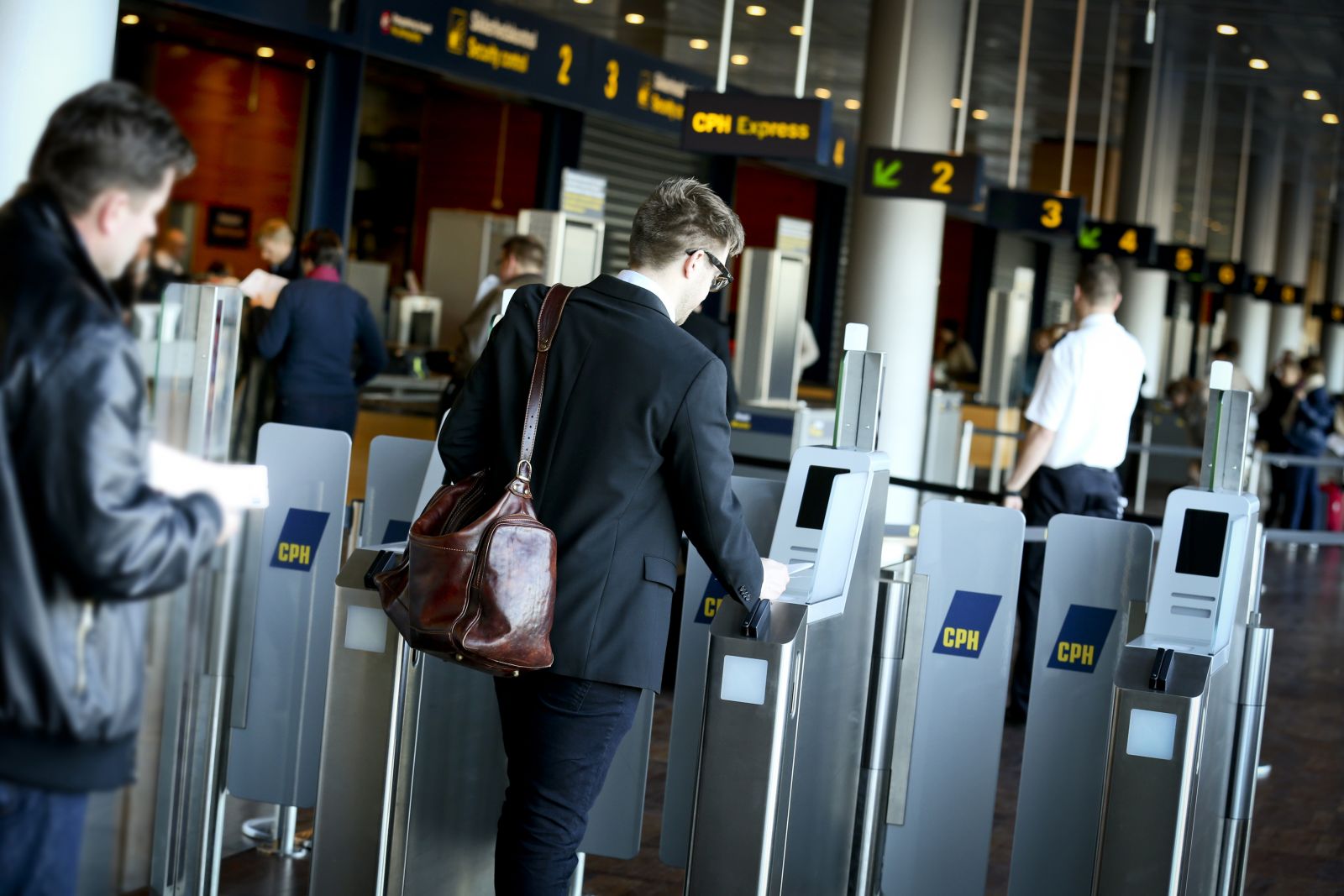
The European Union’s long-awaited travel authorization system has been delayed again. After years of postponements, ETIAS (European Travel Information and Authorisation System) is now scheduled to launch in late 2026—marking another significant shift in the EU’s border control modernization timeline. For travelers planning trips to Europe in the coming year, understanding this delay and what it means for your journey is essential.
Why Another Delay?
The path to ETIAS has been anything but straightforward. Originally envisioned as early as 2022, the system has faced repeated setbacks tied to technical complexity, coordination challenges across EU member states, and the need to ensure compatibility with complementary systems like the Entry/Exit System (EES). The latest delay, confirmed by EU Home Affairs Ministers, reflects the scale of the undertaking: integrating biometric data collection, security screening, and real-time processing across 29 participating countries demands meticulous preparation.
The reasons are partly technical. Building a system that can handle millions of applications, cross-reference security databases, and flag potential risks requires extensive testing. It’s also partly institutional—ensuring that all member states have compatible infrastructure, trained personnel, and agreed protocols takes time. Rather than rush a flawed launch, EU officials have chosen to extend the timeline, prioritizing functionality over speed.
How ETIAS Works in Practice
When ETIAS finally launches, the system will require visa-free travelers from outside the EU and Schengen Area to apply for authorization before entering. This includes citizens of the UK, US, Canada, Australia, and dozens of other nations currently exempt from visa requirements. The application process itself is straightforward: travelers complete an online form providing personal details, passport information, and answers to security-related questions. The fee is €20 (recently increased from €7), and approval typically comes within minutes, though some applications may be flagged for human review by national authorities.
The authorization lasts three years and permits multiple entries, making it far less restrictive than a traditional visa. For most travelers, the change represents a minor inconvenience—a pre-trip form and a small fee—but it’s a significant shift in how Europe manages visitor flows.
Why the Delay Actually Matters for Travelers
The postponement into late 2026 creates a window of opportunity for travelers who haven’t yet visited the Schengen area. Currently, if you hold a passport from a visa-exempt country, you can travel to Europe without any pre-authorization. That remains true through most of 2026. If you’ve been putting off a European trip, the delay effectively extends your window of visa-free travel by months.
However, the delay also reflects deeper concerns about border processing capacity. The EU is simultaneously implementing the Entry/Exit System (EES), which replaces traditional passport stamps with biometric registration. That system launched in October 2025 and is already creating longer queues at major border crossings as staff manage fingerprint and facial image collection for every non-EU arrival and departure. Adding ETIAS screening on top of EES operations will further complicate entry procedures—at least initially.
Coordination with EES and Border Reality
Understanding ETIAS requires knowing how it connects to EES. The Entry/Exit System automatically tracks how long non-EU visitors stay in the Schengen area, recording entry and exit biometrics. ETIAS, by contrast, is a pre-entry vetting system that aims to identify security risks before anyone arrives at a border.
Together, these systems create a more comprehensive border infrastructure, but they also place significant demands on border authorities. Officers at airports and land crossings must process biometric data for the EES, verify that travelers hold valid ETIAS authorization, and handle any discrepancies. Early reports from European airports and ports show that EES implementation has already extended processing times during peak travel periods. The addition of ETIAS checks could amplify these delays unless border agencies receive adequate staffing and resources.
For travelers, this means planning arrival times with extra buffer. Expect longer queues, especially at major hubs like Frankfurt, Paris, Amsterdam, and Barcelona during summer months and holiday periods. Arriving with your ETIAS approval already secured (which happens automatically once approved) removes one variable, but it won’t necessarily speed up biometric processing.
What About the UK ETA?
It’s worth noting the asymmetry in border modernization timelines. The UK’s Electronic Travel Authorisation (ETA) scheme launched on April 2, 2025, several months before EES went live and well ahead of ETIAS. This means EU citizens traveling to the UK already need ETA authorization, while UK citizens visiting Europe still don’t require ETIAS (at least until late 2026). This creates a temporary imbalance where European travel to Britain faces stricter pre-authorization requirements than British travel to Europe.
The UK ETA costs £10, is valid for two years, and permits multiple entries—broadly similar to ETIAS in structure but already operational. For EU travelers planning UK trips, securing ETA authorization has been necessary since early 2025. For UK travelers heading to the Continent, that requirement won’t apply until ETIAS launches.
Practical Implications for Upcoming Travel
If you’re planning a European trip in 2025 or early 2026, you don’t yet need ETIAS. You can travel using your passport alone to any Schengen country. Your primary consideration at borders will be the new EES biometric requirements, which are already in effect. Have your passport ready, expect additional time at border processing, and don’t be surprised by requests for fingerprints and facial scans—this is standard EES procedure.
If you’re planning travel in late 2026 or beyond, you’ll need to apply for ETIAS before booking your flight or finalizing your itinerary. The application takes minutes to complete online, but it’s essential not to overlook it. Unlike traditional visas, ETIAS approvals are usually instant, but some applications—those flagged by automated systems for further review—may take longer. Building in a buffer of a few days between application submission and travel ensures you’re not caught off guard.
The Bigger Picture: Why Delays Matter
The repeated postponement of ETIAS reflects broader challenges in European integration. The EU is attempting to balance security imperatives with traveler convenience, protect borders while remaining an attractive destination, and coordinate across 27 member states (plus associated partners) with varying levels of administrative capacity. It’s a genuine technical and logistical challenge, not mere bureaucratic sluggishness.
For travelers, the extended timeline offers both opportunity and caution. The opportunity: you have extra time to visit Europe without ETIAS before late 2026. The caution: once ETIAS launches, expect a learning curve as border systems and staff adjust to the new requirements. Early adopters may face longer processing times as procedures are refined.
The EU has indicated that a final confirmation of the ETIAS launch date will come once all member states declare full technical readiness. This isn’t a firm guarantee—further delays remain possible if significant technical issues emerge during final testing phases. For the most current information on ETIAS timelines and requirements, monitoring official EU sources and your national travel authority is essential. Conditions can shift, and official channels will always have the latest guidance.
Related: ETIAS Launch Timeline 2026: What Travelers Need to Know Now looks at ETIAS Launch Timeline 2026 from a different angle worth knowing.
For the most up-to-date details on ETIAS requirements, launch dates, and application procedures, consult the official EU ETIAS portal or your country’s travel administration before making final travel plans. This article was last updated in July 2026 by the ETIASEuropa Editorial Team.
Leave a Reply