
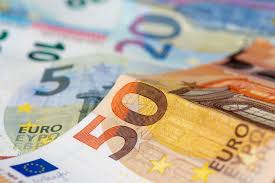
The European Commission has confirmed that the ETIAS application fee will be €20 when the system launches in late 2026, a significant jump from the originally planned €7. This decision, formally announced in mid-2025, marks a major shift in how Europe prices access to its Schengen area for visa-exempt travelers. Understanding what this means—and whether you’ll need to pay it—requires looking beyond the headline number.
Why the Fee Nearly Tripled
When ETIAS was first conceived, the €7 figure seemed reasonable and competitive. But between the initial proposal and formal implementation, circumstances shifted. The European Commission cited inflation as a primary driver, along with the expanded technical scope of the system itself. Building and maintaining a digital travel authorization framework for millions of annual border crossings is far more complex than early estimates accounted for. The system requires continuous cybersecurity upgrades, coordination between national ETIAS units across all Schengen members, and integration with other EU border databases like the Entry/Exit System (EES).
The €20 price also reflects a deliberate choice to align ETIAS with comparable international schemes. The UK’s new Electronic Travel Authorisation costs around £10, while the US ESTA sits at $21. By pricing ETIAS competitively within that global range, European officials are making a statement: this is not a penalty or bureaucratic tax, but a genuine operational cost for a sophisticated security screening system.
Who Actually Pays
Not everyone applying for ETIAS will face the €20 bill. Children under 18 remain exempt, as do travelers over 70. Certain family members of EU citizens also qualify for fee waivers, though the precise definitions of eligible relationships depend on national implementation. For the vast majority of adult travelers—business visitors, tourists, digital nomads on short stays—the €20 fee is now standard and non-refundable, even if your application is rejected.
This structure reflects a policy decision: making the system financially sustainable while protecting vulnerable groups and recognizing that some travelers have established rights based on family ties to EU residents. It’s worth checking whether your specific situation qualifies for an exemption before assuming you’ll pay the full amount.
What €20 Actually Covers
The fee supports three years of continuous authorization (or until your passport expires, whichever comes first). That works out to roughly €6.67 per year, or about 55 cents per month—arguably reasonable for a travel credential that covers all 30 Schengen member states. Unlike a traditional visa that requires renewal at each embassy, ETIAS is a digital authorization that operates in the background, automatically checked when you attempt to enter any Schengen border.
Behind that €20 is funding for real infrastructure: the central EU-LISA database that stores and cross-references applications, the national ETIAS units in each member state that review flagged cases, the biometric systems integrated with border gates, and the security protocols that screen applications against Europol and Interpol records. These aren’t trivial costs, and they’re ongoing—not one-time expenses.
The Bigger Picture: ETIAS as a Border Modernization
The fee increase should be understood as part of a broader EU effort to modernize border management. ETIAS doesn’t exist in isolation; it works alongside the EES (Entry/Exit System), which digitally records when travelers cross Schengen borders, replacing manual stamp systems. Together, these create a real-time, data-driven approach to border security that’s fundamentally different from the old paper-based model.
That modernization comes with costs, and those costs are being distributed across applicants rather than absorbed entirely by national governments. From a traveler’s perspective, the tradeoff is faster processing, fewer delays at borders, and more transparent security screening. The system promises automated approvals in most cases, with only flagged applications requiring human review.
Practical Timing for Your Travel Plans
If you’re planning a 2026 trip to Europe, the €20 fee should factor into your budget planning, but not your timeline. Applications can be submitted online from anywhere in the world, typically processed within days. The earlier you apply—ideally several weeks before your departure—the better, though the system is designed to handle last-minute applications. Once approved, your authorization is immediately usable for your entire three-year validity period, assuming your passport doesn’t expire sooner.
One practical note: the fee is charged per person, not per trip or per family unit. A family of four will pay €80 total (minus any applicable exemptions). While that’s a real expense, it’s one-time across three years of potential travel to the entire Schengen zone.
Looking Forward
The €20 fee represents the EU’s commitment to making ETIAS a properly funded, long-term infrastructure investment rather than a quick-fix border control measure. Early reports from pilot testing suggest the system is functional and ready, though full operational deployment across all member states will take time. The final quarter of 2026 launch date remains the official target, though implementation may roll out unevenly across different border points and nations.
For travelers, the key takeaway is straightforward: budget for the €20 fee as part of your European travel planning, apply well in advance, and recognize that the cost reflects a genuine upgrade to how Europe manages borderless travel. It’s higher than initially promised, but it’s also reflective of the actual complexity of running a continent-wide digital border system.
This article was last updated on July 9, 2026. For the most current fee information and application procedures, travelers should visit the official ETIAS portal on the European Commission’s website, as implementation details continue to evolve across member states.
Leave a Reply