
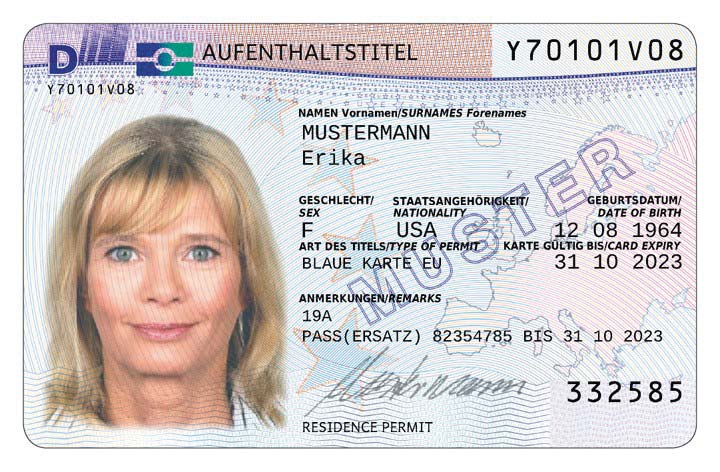
Germany has launched one of the most ambitious immigration reforms in the European Union, fundamentally changing how non-EU nationals can live and work in the country. Facing acute labor shortages across healthcare, engineering, IT, construction, and skilled trades, Germany has redesigned its legal framework to attract qualified workers faster and with fewer barriers.
The reform modernizes the country’s Skilled Immigration Act and introduces flexible pathways that make Germany one of the most accessible destinations in Europe for long-term employment-based immigration.
This article explains what has changed, who benefits, and why Germany’s new approach is reshaping EU migration trends.
Why Germany Changed Its Immigration System
Germany’s economy depends heavily on skilled labor. According to official estimates, the country faces hundreds of thousands of unfilled positions every year, a gap expected to widen due to demographic aging.
To address this, German authorities—under the coordination of the Federal Government of Germany—have introduced reforms aimed at:
- Speeding up recognition of foreign qualifications
- Allowing entry without prior qualification recognition
- Lowering salary thresholds for work permits
- Expanding access to the EU Blue Card
The objective is clear: make Germany competitive in the global race for talent.
The EU Blue Card: More Accessible Than Ever
One of the cornerstone reforms is the expansion of the EU Blue Card, a residence permit designed for highly qualified non-EU professionals.
What’s new?
- Lower minimum salary thresholds, especially for shortage occupations
- Expanded eligibility for IT professionals without formal degrees
- Faster processing and easier family reunification
The Blue Card allows holders to work and live in Germany while enjoying mobility rights within the EU. After a qualifying period, it also provides a pathway to permanent residence.
Opportunity Card (Chancenkarte): A Points-Based Entry Route
Germany has introduced a groundbreaking new permit known as the Opportunity Card, inspired by points-based systems used in countries like Canada and Australia.
This permit allows non-EU nationals to enter Germany to look for work, even without a job offer.
Points are awarded for:
- Professional qualifications
- Work experience
- Language skills (German or English)
- Age
- Connection to Germany (previous stays, education, etc.)
The Opportunity Card represents a major shift: Germany is no longer requiring a job offer before entry, making it easier for international talent to explore employment opportunities on the ground.
Recognition of Qualifications: More Flexible Rules
Previously, foreign professionals often faced long delays while waiting for their degrees or vocational training to be formally recognized.
Under the new system:
- Workers can enter Germany and start working while recognition is pending
- Employers can sponsor candidates under accelerated procedures
- Partial recognition is sufficient in many regulated professions
This reform significantly reduces waiting times and removes one of the biggest obstacles for non-EU applicants.
Who Benefits Most From the Reform?
The new immigration framework is particularly advantageous for professionals in:
- Healthcare (nurses, caregivers, doctors)
- Engineering and technical professions
- IT and software development
- Skilled trades (electricians, mechanics, construction specialists)
Citizens from Latin America, the Western Balkans, India, and Southeast Asia are among those expected to benefit most from the new pathways.
Family Reunification and Integration
Germany continues to prioritize family unity as part of its immigration policy.
Key advantages include:
- Immediate family reunification rights
- No minimum income requirement for certain permits
- Access to education and public healthcare
Family members can live, study, and in many cases work in Germany, making the country attractive for long-term settlement rather than temporary migration.
Germany’s Reform in the EU Context
Germany’s new approach reflects a broader shift within the European Union toward skills-based immigration.
While countries like Spain focus on remote workers and digital nomads, Germany is positioning itself as the EU’s main destination for on-site skilled labor, particularly in industrial and technical sectors.
This diversity of national immigration models highlights how EU Member States are adapting differently to the same demographic and economic pressures.
ETIAS and Long-Term Immigration: Different Systems, Different Goals
It is important to distinguish Germany’s skilled immigration permits from ETIAS:
- ETIAS applies to short stays (up to 90 days) for visa-free travelers
- Skilled immigration permits are long-term residence and work authorizations
Travelers entering Germany under ETIAS cannot legally work and must apply for the appropriate residence permit if they intend to stay long-term.
Practical Challenges Applicants Should Expect
Despite the reforms, applicants should be aware of ongoing challenges:
- Administrative backlogs in some regions
- Language requirements for certain professions
- Differences in implementation between German states
Proper planning and accurate documentation remain critical to a successful application.
Conclusion
Germany’s skilled immigration reform marks a turning point in European migration policy. By lowering barriers, introducing points-based entry, and expanding the EU Blue Card, Germany has positioned itself as one of the most accessible EU countries for non-EU professionals seeking long-term opportunities.
As labor shortages persist across Europe, Germany’s model is likely to influence future immigration reforms across the Union.
Leave a Reply