
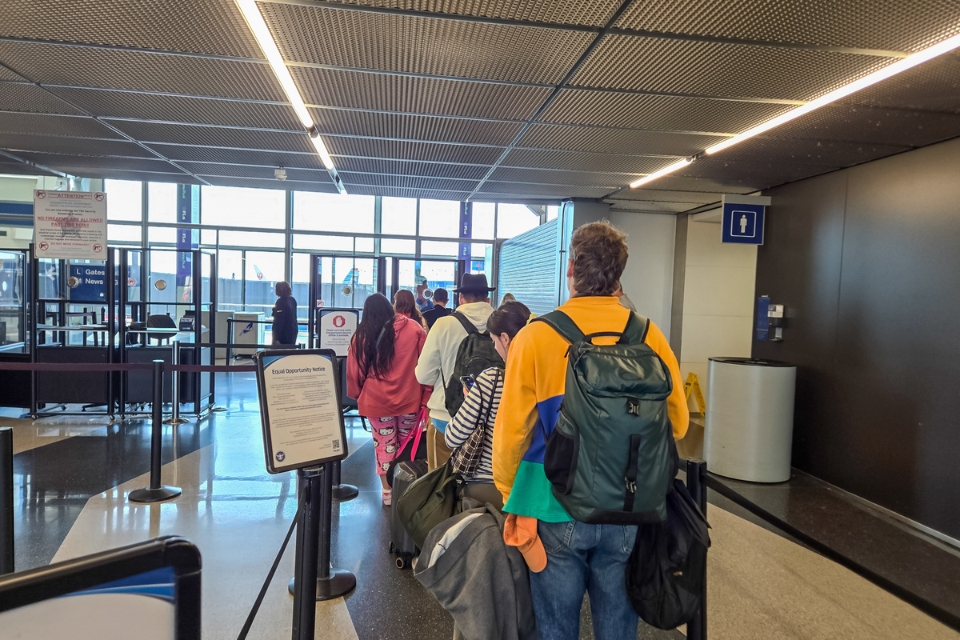
Europe is transforming the way it manages travel across its borders, and if you’re planning a trip to the Schengen area, you need to understand two key systems that will shape your journey: ETIAS and EES. These aren’t your grandmother’s visa requirements or passport stamps—they’re digital tools designed to make European travel smoother, faster, and more secure. But here’s what matters most: they work together as a connected system, and understanding how they function separately and in tandem will help you avoid delays and ensure a seamless entry into Europe.
Understanding ETIAS: Your Pre-Travel Authorization
Let’s start with ETIAS, the European Travel Information and Authorization System. Think of it as your digital ticket before you even board your plane. If you’re a visa-exempt traveler from countries like the United States, Canada, Australia, or most other non-EU nations, you’ll need ETIAS approval before entering the Schengen area. The system works entirely online, and you’ll apply from home weeks before your trip, providing basic personal information and travel details that help European authorities assess potential risks related to security, health, or migration concerns.
Here’s the key point: ETIAS is not a visa, and it doesn’t guarantee entry at the border. Instead, it’s a pre-screening tool that gives authorities a chance to review your information before you arrive. Once approved, your authorization is linked directly to your travel document—your passport—and remains valid for multiple entries across participating European countries for a set period, typically three years or until your passport expires.
EES: Recording Your Movement at the Border
Now meet EES, the Entry/Exit System. While ETIAS works before you travel, EES springs into action the moment you cross an external border of the Schengen area. This automated system replaces the traditional passport stamps with a digital record that’s tied to your identity. Every time you enter or exit a participating country, your data—including exact dates and times—is automatically recorded in this system.
EES applies to all non-EU travelers, regardless of whether they need ETIAS. So even if visa-free travel doesn’t require ETIAS in some hypothetical scenario, EES will still track your movements. This digital approach significantly speeds up processing at busy checkpoints and reduces reliance on manual verification, meaning shorter queues and faster border crossings for everyone.
How They Work Together as One System
The real magic happens when you understand that ETIAS and EES form a layered, connected approach to border management. ETIAS handles the pre-travel screening phase, flagging any concerns before you leave home. EES then confirms your identity and logs your actual movements when you arrive and depart. Together, they create a standardized, efficient process across all European Union member states, eliminating the inconsistency that came with manual passport controls.
This integration also supports faster, more predictable travel through features like self-service kiosks and automated gates at many border crossings. Instead of waiting for an officer to manually inspect your documents, you move through streamlined, automated checkpoints.
What This Means for Your European Adventure
For travelers planning a European trip, the practical takeaway is straightforward: apply for ETIAS well in advance of your departure date, keep your approval confirmation handy, and expect digital processing at borders. These systems aren’t obstacles—they’re designed to make your journey smoother and safer. By preparing early and understanding how these tools work, you’ll sail through European borders with confidence and spend more time exploring the continent you came to experience.
Leave a Reply