
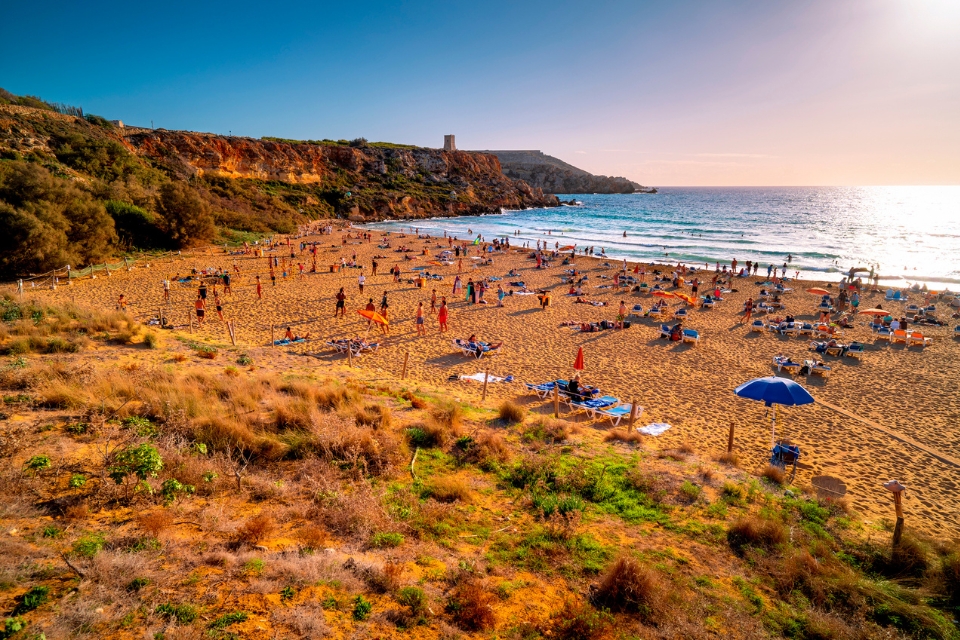
Malta is welcoming visitors at a rate unseen in its modern tourism history. The island nation is on track to surpass four million annual arrivals, driven by a genuine combination of accessible pricing, Mediterranean charm, and increasingly streamlined European travel authorization. Yet this explosive growth masks a genuine tension between economic benefit and resident frustration that savvy travelers should understand before booking.
The numbers tell a clear story. In just the first two months of 2026, Malta received 484,000 tourists—a nearly 20 percent year-on-year increase. February alone brought nearly 250,000 visitors, with per-night spending averaging around €126. These visitors are predominantly young (more than a third fall between 25 and 44), with the majority coming from the United Kingdom, Poland, and Italy. The typical stay runs around 5.5 nights, suggesting travelers are using Malta as a genuine destination rather than a quick stopover. The economic injection is substantial: February tourism spending exceeded €172 million.
What makes Malta particularly attractive right now is precisely its position within the Schengen visa-free travel framework. Unlike many Mediterranean competitors, visa-free entry has historically been straightforward for eligible non-EU nationals. With ETIAS—Europe’s new pre-travel authorization system—entry will soon require online approval, but the process is designed to be simple and fast for most visitors. That ease of access is directly fueling the surge you’re seeing in these numbers.
But here’s the local reality that doesn’t always make headlines. A recent poll found that 45 percent of Maltese residents believe tourism has reached or exceeded saturation point. While half the population considers current numbers manageable, the sentiment shifts dramatically depending on geography. In northern beach destinations like St. Paul’s Bay and Mellieħa—exactly where most international travelers congregate—nearly 60 percent of locals say there are too many visitors. Gozo, the smaller sister island beloved by backpackers and day-trippers, registers even higher discontent at 57 percent. Interestingly, harbor communities like Valletta show stronger approval, suggesting that tourism concentration in specific zones creates outsized local friction.
The pressure is particularly acute on Malta’s smaller islands. Gozo and Comino absorbed over 40 percent of all tourist arrivals during the first two months of 2026, despite their limited infrastructure and tiny resident populations. Comino, in particular, functions almost entirely as a day-trip destination; permanent residents number fewer than five hundred, yet thousands of visitors arrive daily during peak season. The environmental strain is real—from water stress to beach erosion to pressure on local services designed for a fraction of current demand.
The underlying worry among Maltese residents isn’t that tourists are unwelcome, but that the current pace is unsustainable. Roads designed for local traffic jam with rental cars. Restaurants struggle to source fresh supplies. Waste management systems feel the pressure. Language and cultural friction emerges in hospitality settings where staff are overwhelmed. These aren’t abstractions; they’re the lived experience of people whose home is transforming at unprecedented speed.
If you’re planning a trip to Malta with ETIAS authorization, there are practical ways to travel thoughtfully without sacrificing your experience. Consider visiting during shoulder seasons—May through June or September through October offer pleasant Mediterranean weather without the February-August crush. You’ll encounter shorter queues at attractions, lower accommodation prices, and genuinely friendly interactions with locals who aren’t exhausted by volume. Spring is particularly worthwhile; wildflowers blanket the landscape, and the island feels alive with seasonal tourism rather than overwhelmed by it.
Geographic choice matters enormously. Most cruise-ship passengers and budget travelers cluster in Valletta and the northern beach towns. The south—Marsaxlokk, Zurrieq, and Mdina’s inland region—receives a fraction of this traffic and offers equally authentic Maltese experiences. Mdina, the ancient capital, is stunning in early morning before day-trippers arrive. Marsaxlokk’s fishing harbor and waterfront restaurants feel genuinely local even in high season if you venture beyond the main square. Spending even one night in these regions shifts your entire perspective on Malta’s character.
On Gozo and Comino, be especially mindful of timing and footprint. If you visit Comino, go on a weekday rather than weekend. Gozo’s charm persists even with visitors, but it erodes faster when thousands of day-trippers arrive from a single ferry. Staying overnight in Gozo—rather than visiting as a day trip from Malta—means you’ll experience the island’s evening character and actually support its economy in a sustainable way. You’ll also avoid the 4 p.m. ferry rush when the island empties.
The larger point: Malta’s four-million-visitor trajectory isn’t stopping, and the arrival of ETIAS won’t slow it down. The system is designed to streamline entry for low-risk travelers, making it even easier for eligible visitors to gain access to the Schengen area. But ease of travel creates its own pressures. Understanding the local context—and choosing when, where, and how you visit—is how responsible travelers reconcile their own experience with the communities they’re visiting.
This is true across overtouristed European destinations, but it’s particularly important on an island nation with finite space and resources. Your choice to visit during shoulder season, to explore beyond the main tourist zones, and to spend money in local establishments rather than chain operations tangibly reduces pressure on Maltese residents while often improving your own travel experience.
For more on how this connects to Croatia’s Tourism Boom, see Croatia’s Tourism Boom: What Travelers Need to Know in 2026.
This article was last updated in early July 2026. Malta’s tourism landscape continues to evolve alongside ETIAS implementation and local policy discussions about sustainable visitor numbers. Readers planning trips are encouraged to check Malta’s official tourism authority for current recommendations on peak periods and to consult official EU channels for the latest ETIAS requirements before departure.
Leave a Reply