
After weeks of speculation and hope among British travelers heading to Europe, Italy and Portugal have made their stance crystal clear: they will not be exempting UK visitors from the European Union’s new biometric border checks. The European Commission confirmed this decision recently, putting an end to rumors that these countries might follow Greece’s unofficial workaround. For anyone planning a Schengen area trip, this news signals that border procedures are tightening, not loosening.
What’s Really Happening at EU Borders
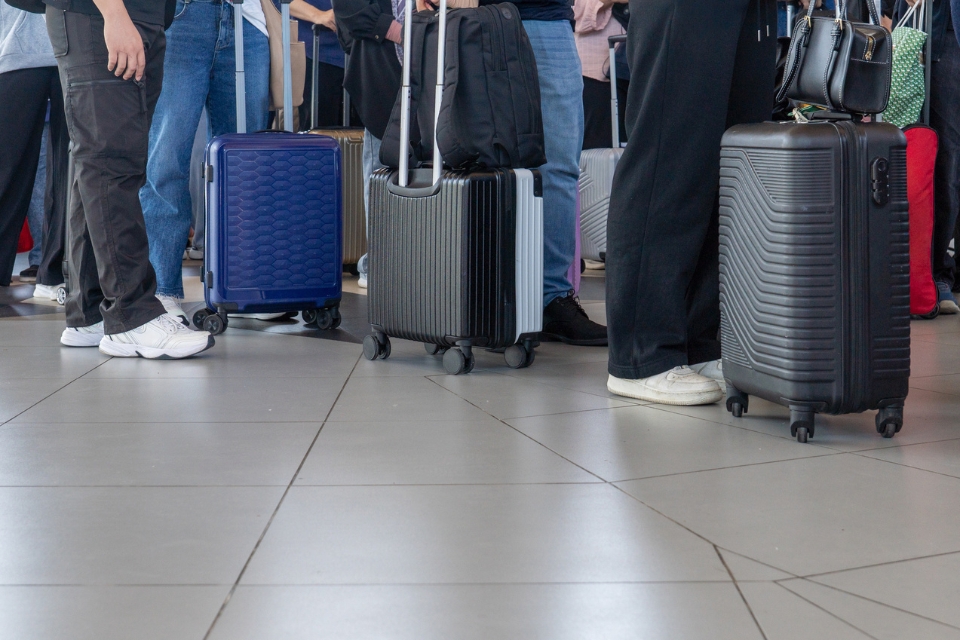
The Entry/Exit System, or EES, launched on April 10, 2026, and has already become infamous among travelers for causing significant delays at European airports. The system collects biometric data—fingerprints and facial recognition—from non-EU visitors entering the Schengen area. When it rolled out, airports from Milan to Paris struggled with queues that sometimes stretched beyond three hours. Some passengers even missed flights entirely because of passport control bottlenecks. It’s fair to say the system hasn’t gotten off to a smooth start.
Greece’s Unofficial Loophole Won’t Spread
Greece became the exception that proved the rule when Greek authorities unilaterally stopped collecting biometric data from British visitors starting April 18, citing unbearable pressure on its island airports during peak season. Many hoped that Italy and Portugal might follow suit, especially given the travel chaos plaguing their major airports. However, both countries have now firmly stated they have no intention of exempting any nationality from EES checks. The European Commission has also made clear it’s “in contact with Greece to clarify the situation,” suggesting this unofficial workaround may not last much longer.
No Blanket Exemptions Under EU Rules
A European Commission spokesperson emphasized that the legal framework simply doesn’t allow for blanket exemptions for specific nationalities over extended periods. However, the rules do include some narrow flexibility—border posts can pause biometric collection for six-hour windows when queues become unmanageable. This temporary relief measure runs through July and may extend to September if certain conditions are met, with all stoppages reported back to Brussels. These carve-outs exist to manage crisis moments, not to provide ongoing relief.
Airlines Are Pushing Back Hard
Airlines operating across European travel hubs aren’t accepting the current situation. Ryanair has written to governments across all 29 EES countries demanding a complete summer suspension of the system. The carrier highlighted that authorities knew about EES’s April 2026 launch date for over three years yet failed to ensure adequate staffing, working kiosks, or system readiness. When easyJet passengers miss flights from Milan and Ryanair travelers get stuck in passport lines at Bergamo, it becomes clear that infrastructure isn’t matching demand.
What This Means for Your European Trip
If you’re planning European travel to Italy, Portugal, or anywhere else in the Schengen area, expect longer times at immigration. Budget extra time for passport control, especially during peak summer months when visa-free travel volume is highest. The EES system is here to stay, and hoping for exemptions won’t help. Instead, arrive at airports earlier than usual, pack patience, and remember that these delays are temporary growing pains as Europe implements new border technology. The system will eventually become more efficient, but for now, planning ahead is your best strategy.
Leave a Reply