
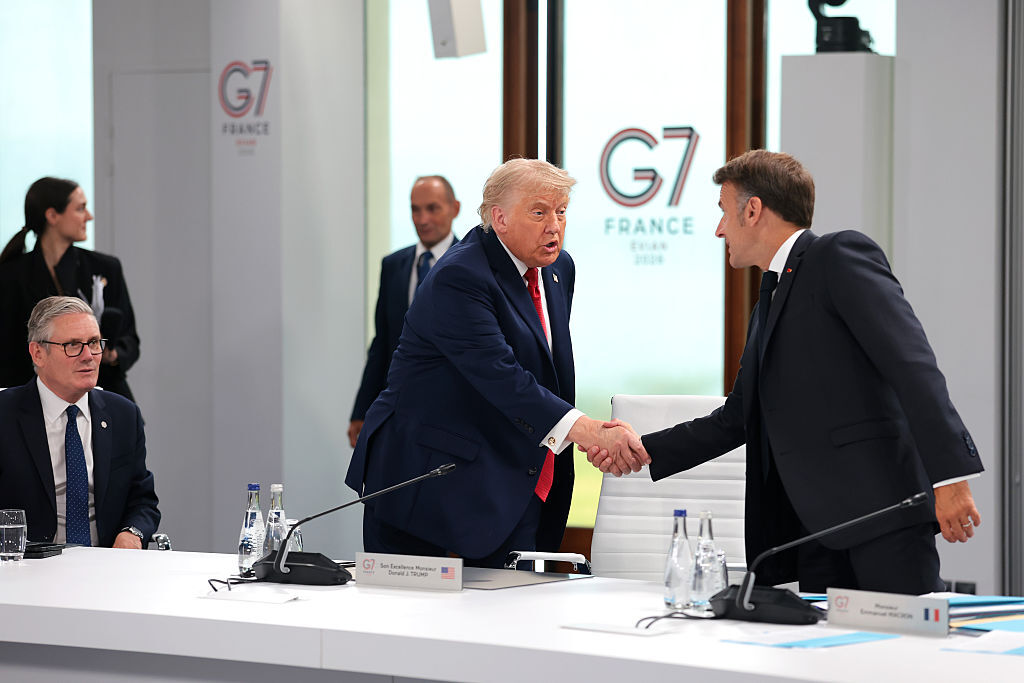
When you’re planning a trip across the Schengen area, you’re trusting in a system built on decades of cooperation between European nations. That trust depends not just on bureaucratic efficiency, but on the underlying political and diplomatic stability that keeps borders open and travel flowing smoothly. Understanding how European geopolitical conditions influence ETIAS approvals and your ability to travel visa-free is essential for anyone heading to the continent in 2026 and beyond.
The relationship between international stability and travel authorization systems might not be immediately obvious, but it runs deep. ETIAS—Europe’s new travel authorization system for visa-free travelers—operates within a broader context of Schengen area cooperation and security protocols. When European nations are aligned diplomatically and focused on collective security rather than internal tensions, the systems that process your travel applications work more effectively. Conversely, regional instability can affect processing timelines, security vetting procedures, and the overall reliability of the visa-free travel framework that millions depend on annually.
How Geopolitical Conditions Shape Border Security
The Schengen area functions as an open-borders zone precisely because its member states have established trust in each other’s security standards and commitment to shared rules. When major European powers collaborate on foreign policy and international negotiations, they’re simultaneously reinforcing the domestic conditions that make borderless travel possible. A Europe actively engaged in diplomatic problem-solving is a Europe confident in its security infrastructure.
ETIAS itself is deeply connected to this stability. The system screens applicants against security databases maintained by Interpol, Europol, and national authorities. These databases are only reliable when countries are cooperating effectively and sharing intelligence freely. When diplomatic relations between European nations are strained, information sharing can become less seamless, potentially affecting the speed and accuracy of security vetting. On the flip side, when Europe speaks with one voice on international matters, the underlying coordination required for ETIAS to function smoothly is strengthened.
The technical infrastructure supporting ETIAS—managed by eu-LISA—depends on the assumption that member states will continue funding, updating, and actively participating in the system. Political discord or budgetary constraints triggered by international instability could theoretically slow system improvements or create processing backlogs. For travelers, this means that periods of strong European diplomatic cooperation tend to coincide with smoother ETIAS processing and faster authorization decisions.
Understanding ETIAS in Context
ETIAS isn’t simply a travel permit; it’s one component of a broader security ecosystem that assumes functioning international cooperation. When you apply for ETIAS authorization, your data is checked against multiple security registers maintained by different countries operating under shared protocols. The system works because European nations have committed to maintaining compatible databases and respecting each other’s security assessments.
This is why a Europe engaged in serious international diplomacy—rather than caught in disputes—creates better conditions for travelers. Diplomatic engagement signals that countries are prioritizing cooperation and rule-based governance, which directly supports the institutional frameworks that ETIAS depends on. A fractured Europe could theoretically maintain ETIAS technically, but the spirit of cooperation that makes the system efficient and reliable would be diminished.
For practical purposes, this means that when European leaders are successfully negotiating on major issues and demonstrating unified positions, you can expect ETIAS processing to run smoothly. The coordination required to manage EU foreign policy, sanctions, and international agreements involves many of the same institutions and government bodies that oversee travel authorization systems.
What Travelers Should Actually Know
The concrete reality for you as a traveler is this: ETIAS applications are processed faster and more reliably during periods when Europe’s political institutions are functioning well and member states are cooperating effectively. Your ETIAS authorization typically comes through within days, but can take longer during periods of institutional strain or systemic uncertainty.
When applying for ETIAS, you’ll need a valid passport, a working email address, and a credit or debit card for the twenty-euro authorization fee. The application itself is straightforward and takes about ten minutes to complete. Most applications are approved automatically without human review. However, if your application is flagged for additional screening—perhaps due to a name match with a security database or missing information—your case moves to national unit review. This is where smooth international cooperation becomes important; national units rely on data sharing and coordinated security protocols to make decisions.
The approval status of ETIAS is valid for three years, allowing multiple entries to any of the 30 countries in the Schengen area. You don’t need to apply separately for each country; a single ETIAS authorization covers the entire visa-free travel zone. This unified system is a remarkable convenience, but it only functions smoothly when the countries involved are committed to shared standards and data integrity.
Processing timelines typically run three to five business days, though the EU guarantees decisions within four weeks for standard applications. During periods when systems are running optimally and national authorities are coordinating well, you’ll see decisions clustered at the shorter end of that range. Instances of regional instability or institutional disruption can push timelines toward the longer end.
The Security Database Foundation
Your ETIAS approval depends partly on checks against Interpol databases, national criminal records, and EU security watchlists. These databases are only as reliable as the countries maintaining them and the protocols governing how information is shared between nations. A politically united Europe with strong institutional cooperation ensures these databases are current, accurate, and properly cross-referenced.
The system also checks your passport against records of lost or stolen documents. This requires real-time access to national passport registries, which again depends on countries being willing to maintain these databases and share access with central EU systems. Strong diplomatic cooperation between EU member states ensures this infrastructure remains current and effective.
For travelers with complicated backgrounds—previous visa refusals, criminal records, or security concerns—ETIAS applications are more likely to be flagged for manual review by national units. The quality and speed of these reviews depend directly on the institutional health of the countries involved and their commitment to following agreed procedures rather than applying arbitrary political pressure.
Practical Advice for 2026 and Beyond
If you’re planning European travel, apply for ETIAS several weeks before your intended departure date. While most applications process within days, allowing extra time protects you against any unexpected delays. The authorization fee is non-refundable even if your application is denied, so ensure your passport is valid and your information is accurate before submitting.
Keep your ETIAS authorization details accessible—it’s digital and linked to your passport number, so you don’t need to print anything, but you should be able to reference it if border officials ask. If your application is refused, you can appeal or reapply with updated information; understanding the reason for refusal is the first step toward addressing whatever issue prompted the denial.
The broader lesson is that travel systems work best within contexts of institutional stability and international cooperation. Europe’s ability to maintain smooth, secure borders and efficient travel authorization depends on its member states remaining committed to shared rules and coordinated governance. When European nations are actively engaged in diplomatic problem-solving and united on major issues, the infrastructure supporting visa-free travel becomes more reliable and effective.
It’s worth reading alongside ETIAS for Schengen Travel: Your 2026 Authorization Guide, which explores ETIAS for Schengen Travel in its own right.
This article was last updated on July 09, 2026 by the ETIASEuropa Editorial Team. ETIAS requirements and Schengen regulations continue to evolve, so travelers should always consult the official EU website and their national government’s travel advisory services before finalizing travel plans. Checking your specific country’s requirements and any current travel advisories ensures you have the most current information for your journey.
Leave a Reply